
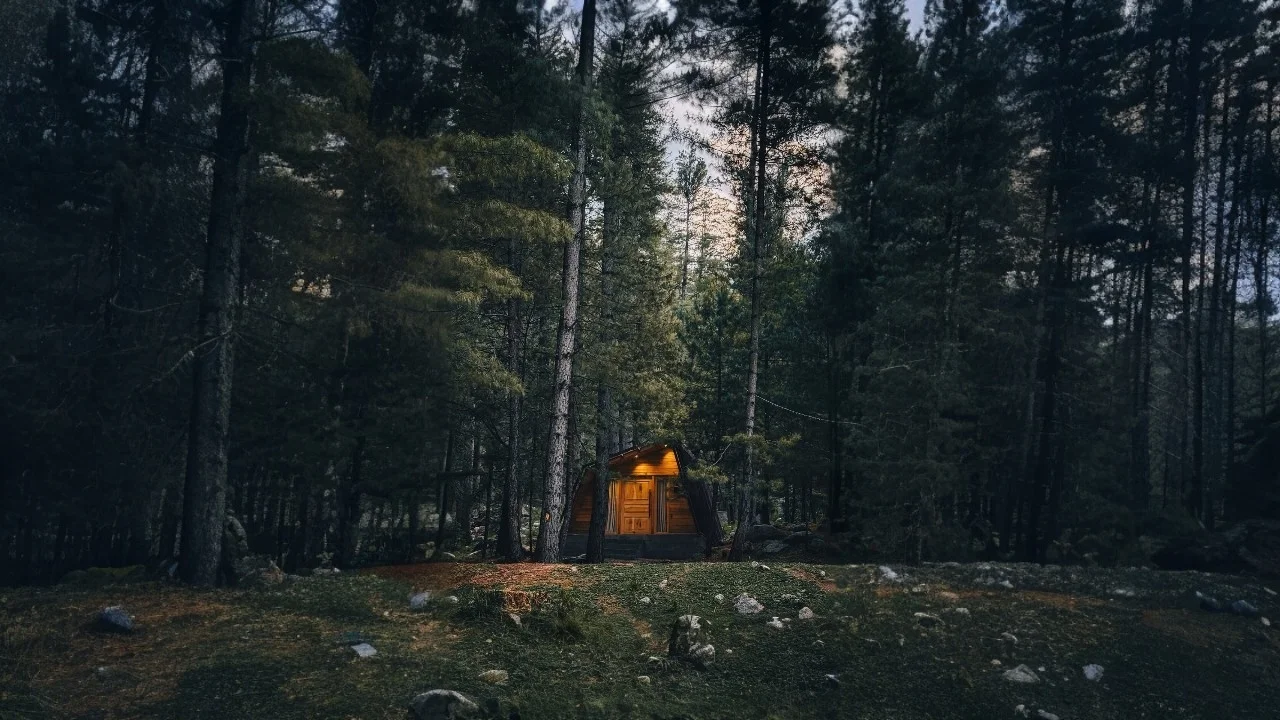
Kumrat Valley: The Complete Travel Guide (Weather, Distance, Things to Do & Tour Plans)
Kumrat Valley is a popular tourist destination located in Upper Dir District of Khyber Pakhtunkhwa in the Dir-Kohistan region of Pakistan at around 35°32′N 72°13′E. The valley floor and surrounding area are between 7,500 and 8,500 feet in elevation with Thal (gate town) at approximately 7,840 feet. Kumrat averages around 2,300 metres (7,546 feet). Kumrat is about 370 km from Islamabad (drive around 8.5 to 9 hours). Between 700 and 720 km from Lahore (drive 13 to 15 hours, a figure confirmed by multiple route calculations including operator quoted distances of around 707 km via Thal). Peshawar is even closer, at around 330 to 380 km with a drive time of 7 to 8 hours. Kumrat is around a 60 to 70 km (drive) rough road from Kalam in Swat via Badgoi Pass which can take between 3 and 6 hours or more due to the challenging terrain. The best time of year to visit Kumrat is between May and September for the valley, and a standard car is fine to drive up to Thal but you’ll need a 4×4 to drive up the valley.
Kumrat Valley lies in the Hindu Kush foothills along the Panjkora River and deodar forest. It’s worth clarifying something right off the bat: Kumrat, Jahaz Banda, and Katora Lake are all separate destinations. Kumrat is the valley and gate area, Jahaz Banda is a high meadow, around 3,100 metres (10,170 feet) which is accessed by a separately-trekked trail and Katora Lake is a glacial lake further up the hillside beyond Jahaz Banda. These three are mentioned in the same breath constantly in travel guides, but referring to “Kumrat” as a single point of interest is the reason people underestimate how much time a “Kumrat trip” can actually require.
Where Is Kumrat Valley Located?
Kumrat Valley is located in the Upper Dir District of Khyber Pakhtunkhwa in the larger Hindu Kush mountain system. It is bordered by Swat and Kalam to the east, Chitral to the north and the rest of Dir District to the south and west, meaning that Kumrat can be accessed either from the west via the main road through Dir, or from the east via a rougher route through Kalam.
The postal address for the base area is listed as Main Road, Kumrat, Upper Dir, KP 47281. The main access point for almost every visitor is the village of Thal sitting around 7,840 feet and marking the end of the paved road and the last point where even a standard car can continue, beyond which you need a 4×4. There is notably less cell phone reception beyond Thal so you may want to download any maps you might need for offline use.
Kumrat Valley Weather: What to Actually Expect
Due to its altitude, Kumrat is noticeably cooler at about the same latitude than most other places in Khyber Pakhtunkhwa, and that’s worth bearing in mind when you’re packing for your trip.
Summer runs from May through September and is both the warmest and most popular time to visit — even then, nights can still drop to 5 to 8°C, so a jacket is worth the space in your bag regardless of season. July and August overlap with monsoon season, meaning waterfalls peak but flash floods and road closures become a real possibility, so it’s worth building flexibility into your schedule those two months specifically.
| Season | Months | Temperature | Notes |
|---|---|---|---|
| Summer | May–Sept | Daytime ~15–20°C; 24-hr avg ~8–16°C | Warmest, most popular; nights still 5–8°C |
| Monsoon | Jul–Aug | Same as summer | Fuller waterfalls; flash flood/road closure risk |
| Autumn | October | ~0°C average | Golden forest colour, fewer crowds |
| Winter | Nov–Feb | -8°C to -14°C avg; lows to -16°C or below | January coldest; road beyond Thal often closed by snow |
It’s worth noting that different sources will mention summer temperatures differently, some will quote daytime highs and others will quote full 24-hour averages which will look cooler; these are both accurate, it just depends on which part of the day they’re referring to.

Distance & How to Reach Kumrat Valley
The Islamabad route is the most consistent distance figure across every trustworthy source. The Lahore distance is more of a point of contention among guides, with figures ranging anywhere from about 620 km up to 730 km depending on the exact route used — a live check on Google Maps confirms 703 to 718 km on the current fastest road, and operators running actual Lahore-departure trips quote distances around 707 km via Thal, which places it right in that same window and is worth trusting over the lower estimates still floating around online.
| From | Distance | Drive Time | Route |
|---|---|---|---|
| Islamabad | ~370 km | 8.5–9 hrs | M1 → Swat Motorway (M16) to Chakdara → N45 through Dir → Thal |
| Lahore | ~700–720 km | 13–15 hrs | M2 to Islamabad, then the same route as above |
| Peshawar | ~330–380 km | 7–8 hrs | N45 through Dir, after Malakand and Chakdara |
| Kalam (Swat) | ~60–70 km | 3–6+ hrs | Via Badgoi Pass — shorter distance, but unpaved and 4×4-only, often no faster than the Dir route |
Road Conditions: What the Drive Is Actually Like
The road is paved (though narrow and winding) all the way to Thal and a normal car can handle that stretch without issue. Beyond Thal, the final 20 to 30 km into the valley switches to a rough unpaved jeep track with stream crossings and occasional boulders. The last stretch alone typically takes 1.5 to 3 hours, and a 4×4 is genuinely required here — this isn’t a “recommended but you’ll probably manage without one” kind of situation.
Jeep rental in Thal is usually easy to arrange on arrival:
| Jeep Trip Type | Approx. Cost |
|---|---|
| Basic return trip | PKR 7,000–9,000 |
| Longer route / luxury vehicle (e.g. Prado) / Jahaz Banda–Katora Lake extension | PKR 14,000–20,000+ |
Rainfall, snow melt or heavy traffic can cause the Thal-to-Kumrat leg to slow down further, so it’s worth building in extra time rather than a fixed transfer.
Things to Do & Places to Visit in Kumrat Valley
The Panjkora River runs through the heart of Kumrat Valley, fed by glaciers and cutting through forest and meadows, with picnic and photography opportunities along the way. A short, easy walk from the main road leads to the Kumrat Waterfall (locally known as Abshar), one of the most photographed spots in the valley. Further along the road are Kala Chashma and Do Kala Chashma, natural springs with clear, drinkable water, easily accessible on foot. Past those are Dojanga (sometimes written Do Jangah), the confluence of two rivers – quieter and less crowded than the main sites, reached by jeep plus a short walk.
For longer stays, Jahaz Banda Meadows lie separately around 3,100 metres, accessed by jeep to a trailhead (commonly Jandrai or Takki Top, also referred to as Taqi Banda in some itineraries) and a 3 to 5 hour moderate trek, a popular spot for camping. About 30 to 40 minutes downhill from Jahaz Banda is Kund Banda, a smaller, less busy meadow with its own stream and waterfall. Above Jahaz Banda extends Katora Lake, a glacial lake reached via a further 2 to 4 hour steep trek offering the most photographed pay-off in the valley. Further out are the Badgoi Pass – the rugged high connector from Kumrat to Kalam/Swat which is only suitable for experienced 4×4 travel, and Bara Dand Lake, further into the trekking network for those who want to go further off the standard route.
Back down in Thal, the village’s historic wooden mosque – built in 1865 without a single nail – is a piece of local Pashtun craftsmanship well worth the short stop.
Most first-time visitors can comfortably cover the valley floor sights (the river, waterfall, springs, and Dojanga) in two days. Jahaz Banda and Katora Lake each need at least one dedicated extra day given the trekking time involved.
Where to Stay in Kumrat Valley
Accommodation options have expanded considerably in the past few years, ranging from budget riverside guesthouses to glamping-style setups. Riverside hotels and guesthouses typically range PKR 5,000 to 15,000 a night while glamping (domes, pods, and chalets – with fireplace and balcony setups overlooking the river) tends to run PKR 10,000 to 18,000 or more. Riverside camping – the most popular option for travelers who want the full outdoor experience – is available both in the main valley and again at Jahaz Banda.
Booking ahead during May through September is worth doing early – capacity is limited in peak season.
Which Kumrat Trip Is Right for You?
Most guides will talk about Kumrat as though it’s always a single trip. In practice, Careline runs two very different itineraries out of Lahore, and picking the wrong one is the easiest way to either be bored on day two or underprepared for a mountain trek.
The 3-day Kumrat Valley trip stays entirely on the valley floor – Kumrat Forest, Siraj Waterfall, Kala Pani, the wooden mosque in Thal – with an easy-to-moderate pace for families, couples, and people who want to cover the scenery without a serious hike. It runs comfortably from May through September.
The 4-day Kumrat Valley & Jahaz Banda trip is a different kind of trip altogether. It will still cover the Kumrat basics on day one, but from day two onward it moves into genuine trekking territory – a hike up to Jahaz Banda meadow, camping overnight at altitude, then a 3 to 4 hour trek further up to Katora Lake and back before returning to Thal and Lahore. This one is rated moderate to challenging, runs on a narrower June-to-September window, and is built for trekkers, campers, and photographers rather than a casual family weekend.
If the goal is a relaxed nature escape, the 3-day trip covers it. If the goal is to actually stand at Katora Lake, the 4-day trip is the one that gets you there – there is no shortcut version of that trek within a 3-day timeframe.
Careline Adventure’s Kumrat Valley Tour Plans
Package 1: Kumrat Valley, 3 Days (Departing Lahore)
The tour will cover the Upper Dir District of Khyber Pakhtunkhwa, focusing on Kumrat Valley and Thall, best from May to September. It is an easy-to-moderate trip best suited to families, friends, couples, and nature lovers, with main sights including Kumrat Forest, Siraj Waterfall, Kala Pani, and the historical wooden mosque centred on sightseeing, the jeep ride itself, and photography.
Day 1 – Lahore to Kumrat Valley. Depart Lahore with a short stop in Islamabad, continuing on with views of the Panjkora River and breakfast at Timergara or Rabat. The route includes Bab-e-Kumrat, Sharingle, and Thal Bazaar with a transfer into 4×4 jeeps for the ride into Kumrat Valley. Overnight stay in Kumrat.
Day 2 – Kumrat Valley Exploration. After breakfast, the day is spent exploring Kumrat Forest, the Siraj Waterfall, and the peaceful surroundings of Kala Pani, returning to Kumrat for a second overnight stay.
Day 3 – Return to Lahore. After an early breakfast, the group travels from Kumrat back to Thall, stopping at the historic wooden mosque along the way, with a short stop at Colonel Sher Khan before continuing back to Lahore to end the tour.
The itinerary can vary due to weather, road conditions, or other factors. Along the way, the tour passes through Islamabad, the Panjkora River, Timergara/Rabat, Bab-e-Kumrat, Sharingle, Thall, Kumrat Forest, Siraj Waterfall, Kala Pani, the historical wooden mosque, Colonel Sher Khan, and Dir.
Quick Snapshot
| Day | Route & Highlights |
|---|---|
| Day 1 | Lahore → Islamabad → Panjkora River → Timergara/Rabat → Bab-e-Kumrat → Sharingle → Thall → Kumrat Valley (Overnight) |
| Day 2 | Kumrat → Kumrat Forest → Siraj Waterfall → Kala Pani → Kumrat (Overnight) |
| Day 3 | Kumrat → Thall (Wooden Mosque) → Colonel Sher Khan → Lahore |
Package 2: Kumrat Valley & Jahaz Banda, 4 Days (Departing Lahore)
This trip covers the same Upper Dir District territory, but goes further – into Jahaz Banda at roughly 3,100 metres and on to Katora Lake, a glacial lake known for its turquoise water and mountain backdrop. It’s a moderate-to-challenging rating and best suited to trekkers, campers, and photographers, with a narrower June to September window rather than the valley-only trip’s May-to-September window.
Day 1 – Lahore to Kumrat Valley. An early departure from Lahore with breakfast served en route. On arrival in Thal, the group transfers into 4×4 jeeps for the ride into Kumrat Valley, spending the day exploring the Kumrat Waterfall and the valley surroundings before heading back to camp as evening sets in. Overnight in Kumrat/Thal (steel huts or hotel).
Day 2 – Kumrat to Jahaz Banda. After breakfast, jeeps take the group to Taqi Banda, the starting point for the day’s trek. From there, the trail goes up through forest and mountain terrain to Jahaz Banda, a wide alpine meadow. Camp is set up here, with dinner under the stars and overnight camping.
Day 3 – Jahaz Banda to Katora Lake and back. An early 6:00 AM breakfast precedes the 3 to 4 hour trek up to Katora Lake, known for its turquoise glacial water and dramatic mountain backdrop. After time at the lake, the group treks back down to Jahaz Banda for a second night of camping.
Day 4 – Jahaz Banda to Lahore. The group treks back to Taqi Banda and transfers into jeeps for the ride down to Thal, where breakfast is served. From there, it’s a long coaster ride back to Lahore, typically arriving after midnight.
As with the shorter trip, the itinerary can be adjusted for road and weather conditions. Along the route: Upper Dir, the Panjkora River, Kumrat Valley, Kumrat Forest, Thal Mosque, Kumrat Waterfall, Taqi Banda, Jahaz Banda, Kund Banda, Kund Banda Waterfall, Jahaz Banda Waterfall, and Katora Lake.
Quick Snapshot
| Day | Route & Highlights |
|---|---|
| Day 1 | Lahore → Thal → Kumrat Valley (Waterfall & Forest) → Overnight Kumrat/Thal |
| Day 2 | Kumrat → Taqi Banda → Trek to Jahaz Banda → Overnight Camping |
| Day 3 | Trek to Katora Lake (3–4 hrs) → Back to Jahaz Banda → Overnight Camping |
| Day 4 | Taqi Banda → Thal → Lahore (arrival after midnight) |
Both trips are fully customizable in duration, route, and inclusions – including an Islamabad-departure version – depending on group size and preferences.
Frequently Asked Questions
Where is Kumrat Valley located?
Kumrat Valley is located in the Upper Dir District of Khyber Pakhtunkhwa along the Panjkora River in the Hindu Kush mountains foothills. The nearest gateway town is Thal.
Is Kumrat Valley the same as Jahaz Banda or Katora Lake?
No. Kumrat is the main valley and gateway region. Jahaz Banda is a separate high meadow reached by a trek from Kumrat, and Katora Lake is a glacial lake further up the hillside from Jahaz Banda. They are mentioned together constantly, but they are distinct destinations.
What is the best time to visit Kumrat Valley?
May to September for the valley itself, when the road is open and the scenery is green. For a Jahaz Banda/Katora Lake trek, June to September is the more reliable window. December to February brings heavy snow and frequent road closures beyond Thal.
How far is Kumrat Valley from Islamabad?
About 370 km, roughly 8.5 to 9 hours via the Swat Motorway (M16) and N45 through Dir to Thal.
How far is Kumrat Valley from Lahore?
Around 700 to 720 km, roughly 13 to 15 hours via the M2 to Islamabad and the same Dir-Thal route – a figure confirmed by both Google Maps and real operator itineraries. Most multi-day tours will split this into an overnight travel schedule.
Can I reach Kumrat Valley from Peshawar or Swat?
Yes. From Peshawar it’s roughly 330 to 380 km, around 7 to 8 hours. From Kalam in Swat it’s a shorter but rougher 60 to 70 km via the 4×4-only Badgoi Pass.
Is a 4×4 jeep necessary to reach Kumrat Valley?
Yes, for the final 20 to 30 km beyond Thal. A regular car gets you to Thal without issues, but the unpaved track into Kumrat itself requires a jeep.
How much does a jeep rental cost in Thal?
A basic return trip typically runs PKR 7,000 to 9,000. Longer routes, luxury vehicles, or extensions toward Jahaz Banda or Katora Lake can run PKR 14,000 to 20,000 or more.
How long is the trek to Jahaz Banda?
Roughly 3 to 5 hours from the jeep trailhead at Jandrai or Takki Top/Taqi Banda – a moderate trek manageable for reasonably fit beginners with some caution on the steeper sections.
How difficult is the trek to Katora Lake?
It’s a further 2 to 4 hour trek from Jahaz Banda, noticeably steeper, and best suited to people with at least some trekking experience.
What’s the difference between the 3-day and 4-day Kumrat trips?
The 3-day trip stays on the valley floor – forest, waterfall, and the wooden mosque – and suits families and casual travelers. The 4-day trip adds the trek to Jahaz Banda and Katora Lake, is rated moderate to challenging, and is built for trekkers and campers rather than a relaxed sightseeing trip.
What are the top things to do in Kumrat Valley?
Riverside walks along the Panjkora, the Kumrat Waterfall, Kala Chashma springs, and Dojanga cover the valley floor, while those with extra time can add the treks to Jahaz Banda and Katora Lake.
Where can I stay in Kumrat Valley?
Options range from riverside guesthouses at PKR 5,000 to 15,000 a night to glamping domes and pods at PKR 10,000 to 18,000 or more, plus riverside camping, which remains the most popular choice in peak season.
How many days do I need for a Kumrat Valley trip?
Three days is a reasonable minimum for a valley-floor trip from Lahore, once travel time is accounted for. If Jahaz Banda and Katora Lake are on the list, plan for four days minimum, given the trekking and camping involved.